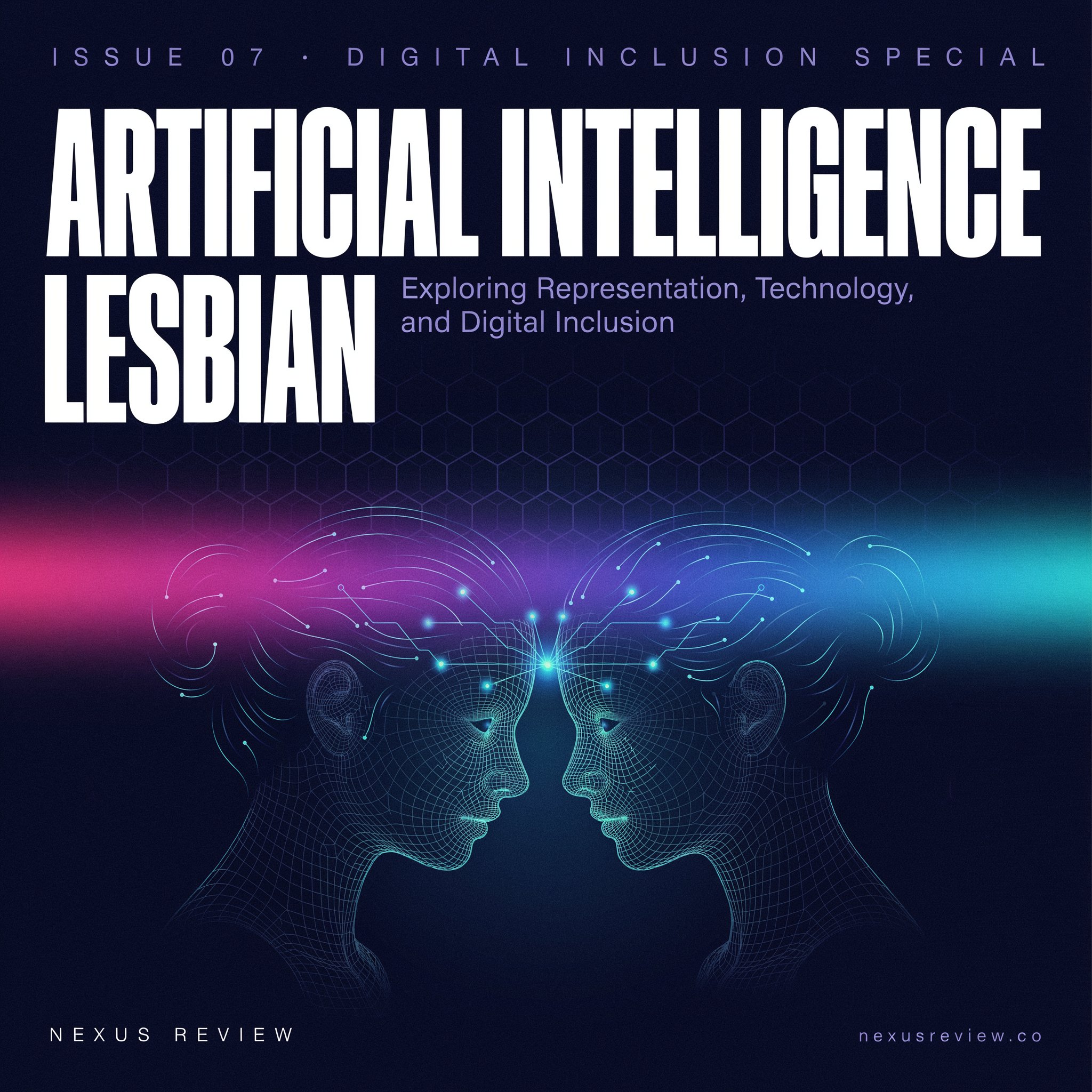
The relationship between technology and human identity has become an increasingly important topic in the digital age. One area gaining attention is the connection between artificial intelligence lesbian representation and the broader role of AI in understanding diverse communities. Artificial intelligence is transforming industries, communication, entertainment, education, and social platforms. At the same time, discussions about inclusion, fairness, and representation are becoming central to technology development. As AI systems influence online experiences, it is important to examine how lesbian identities and LGBTQ+ communities are represented within these technologies. the opportunities, challenges, and future possibilities surrounding artificial intelligence lesbian topics, highlighting how technology can support diversity while promoting respectful and inclusive digital environments.
Understanding Artificial Intelligence and Social Representation
Artificial intelligence refers to computer systems designed to perform tasks that typically require human intelligence, such as learning, decision-making, language processing, and problem-solving. As AI becomes more integrated into everyday life, its influence extends beyond technical applications and into social and cultural spaces. Representation within AI matters because these systems often shape the information people see online. When discussing artificial intelligence lesbian topitttttcs, the focus is often on how technology reflects diverse identities and experiences. Proper representation can help create more inclusive digital environments where individuals feel recognized, respected, and accurately portrayed in the content generated or recommended by AI-powered platforms.
The Importance of Lesbian Representation in Digital Spaces
Digital platforms have become major spaces for communication, learning, and community building. Lesbian representation within these environments plays an important role in promoting visibility and understanding. AI systems contribute to this process through search engines, recommendation algorithms, content moderation tools, and virtual assistants. When artificial intelligence lesbian discussions are included in technological development, platforms can better recognize the needs of diverse users. Accurate representation reduces stereotypes and encourages balanced perspectives. It also helps individuals find relevant information, supportive communities, and educational resources. As technology continues to evolve, inclusive representation remains essential for creating fair and welcoming digital experiences.
How AI Influences Online Content and Recommendations
AI-powered algorithms determine much of the content people encounter online. These systems analyze user behavior and preferences to recommend articles, videos, social media posts, and other forms of content. In the context of artificial intelligence lesbian topics, recommendation systems can influence visibility and access to information. Well-designed algorithms can help users discover educational resources and diverse perspectives. However, poorly designed systems may unintentionally reinforce bias or limit exposure to varied viewpoints. Developers are increasingly working to improve algorithmic fairness and transparency. By addressing these concerns, AI technologies can provide more balanced content recommendations that better serve diverse audiences and communities.
AI Bias and Challenges in Inclusive Technology
Bias remains one of the most significant challenges in artificial intelligence development. AI systems learn from data, and if that data contains incomplete or biased information, the resulting outputs may reflect those limitations. Artificial intelligence lesbian discussions often highlight the need for inclusive datasets that represent a wide range of human experiences. Without proper representation, AI tools may overlook certain communities or produce inaccurate results. Addressing bias requires careful data collection, testing, and ongoing evaluation. Technology companies, researchers, and policymakers continue to work on improving fairness in AI systems to ensure that digital tools serve all users more effectively and responsibly.
The Role of AI in LGBTQ+ Research and Awareness
Artificial intelligence is increasingly being used to support research, education, and awareness initiatives. Researchers use AI to analyze large amounts of data, identify trends, and better understand social issues affecting different communities. In artificial intelligence lesbian research, AI can help examine representation in media, public discussions, and online content. These insights can contribute to more informed decision-making and educational efforts. AI-powered tools also assist organizations in monitoring public sentiment and identifying areas where awareness campaigns may be beneficial. Through responsible use, artificial intelligence can support greater understanding and encourage more inclusive conversations across society.
AI-Generated Content and Identity Representation
The growth of AI-generated content has created new opportunities and challenges for identity representation. Text generators, image creators, and virtual characters can produce content that reflects diverse experiences when designed thoughtfully. Artificial intelligence lesbian themes may appear in educational materials, storytelling, digital media, and community-focused content. However, creators and developers must ensure that generated content remains respectful, accurate, and free from harmful stereotypes. Ethical guidelines and inclusive development practices are important for achieving this goal. By prioritizing authenticity and diversity, AI-generated content can contribute to broader representation while maintaining quality and social responsibility.
Ethical Considerations in Artificial Intelligence Development
Ethics play a critical role in shaping the future of AI technologies. Developers must consider privacy, fairness, accountability, and representation when creating intelligent systems. Artificial intelligence lesbian discussions often intersect with broader conversations about digital rights and equal treatment. Ethical AI development involves consulting diverse communities, testing systems for bias, and ensuring transparency in decision-making processes. Organizations that prioritize ethical standards are better positioned to create technologies that benefit a wide range of users. As artificial intelligence continues to expand into new areas of life, ethical considerations will remain essential for building trust and promoting inclusive innovation.
Future Opportunities for Inclusive AI Systems
The future of AI offers exciting opportunities to create more inclusive and accessible digital experiences. Advances in machine learning, natural language processing, and personalization technologies may help platforms better understand diverse user needs. Artificial intelligence lesbian representation can continue improving through more comprehensive datasets, community involvement, and responsible design practices. Educational institutions, technology companies, and advocacy groups all have roles to play in shaping inclusive AI systems. By focusing on fairness and diversity, future technologies can support meaningful representation while fostering positive interactions across online and offline communities.
Conclusion
Artificial intelligence is transforming the way people interact with information, technology, and each other. The topic of artificial intelligence lesbian representation highlights the importance of inclusion, fairness, and diversity in modern digital systems. As AI continues to influence content, communication, and decision-making, developers must ensure that these technologies accurately reflect the experiences of different communities. Addressing bias, promoting ethical development, and encouraging responsible representation can help create more equitable digital environments. With continued collaboration between researchers, developers, and communities, artificial intelligence has the potential to support greater understanding, visibility, and inclusion for everyone in the years ahead.